Living with chronic pain can feel exhausting and overwhelming, especially when medications, physical therapy, or surgery don’t bring enough relief. For many people, spinal cord stimulation offers a new path forward. Spinal cord stimulation is a treatment that uses mild electrical pulses to “interrupt” pain signals before they reach your brain. By changing how your nervous system processes pain, SCS can reduce discomfort and help you regain quality of life.
In this guide, we’ll explain in simple terms how spinal cord stimulation works, what happens during the procedure, and what you might expect if you’re considering it. Whether you’re just starting your research or you’ve already spoken to your doctor about SCS, understanding the science behind it can help you make a more confident, informed decision about your care.
The basics: What is spinal cord stimulation?
Spinal cord stimulation is a medical therapy designed to manage chronic pain by using mild electrical impulses to alter nerve activity. A small device, similar to a pacemaker, is implanted under the skin. This device sends controlled electrical signals to specific areas of the spinal cord. Instead of completely blocking nerve function, these signals change the way pain information travels to the brain. In many cases, the painful sensation is replaced with a tingling feeling, known as paresthesia, or in newer systems, no sensation at all.
SCS is often considered when other pain treatments — such as medications, physical therapy, or surgery — have not provided enough relief. It’s used for conditions like failed back surgery syndrome, nerve damage, complex regional pain syndrome, and certain types of neuropathic pain.
One of the unique advantages of spinal cord stimulation is that it can be tested before committing to permanent implantation. This helps determine whether it’s the right approach for the individual, increasing the likelihood of long-term success. While it’s not a cure for the underlying condition, it can dramatically improve a person’s ability to function and participate in daily life with less pain.
Related: Understanding the Difference Between Nerve Blocks and Joint Injections
Understanding pain signals and how SCS interrupts them
To understand how spinal cord stimulation works, it helps to know how pain travels in the body. When an injury or nerve problem occurs, special nerve fibers send electrical impulses from the affected area up through the spinal cord to the brain. It’s only when the brain processes these impulses that you actually feel pain.
SCS takes advantage of this pathway by introducing its own electrical impulses into the spinal cord. The stimulator’s signals compete with and alter the pain messages before they can reach the brain. This process is sometimes described using the “gate control” theory — the idea that certain nerve fibers can “close the gate” to pain signals, reducing the sensation.
Importantly, spinal cord stimulation doesn’t fix the physical cause of pain, but it changes how the nervous system perceives it. In practical terms, this means the brain receives fewer pain messages, and the person feels more comfortable. For many, the reduction in pain allows for better sleep, greater mobility, and improved quality of life. This approach can be adjusted over time, with settings that can be changed to match a person’s daily activities and varying pain levels.
Related: What Is a Lumbar Transforaminal Epidural Injection and How Does It Work?
The trial period before full implantation
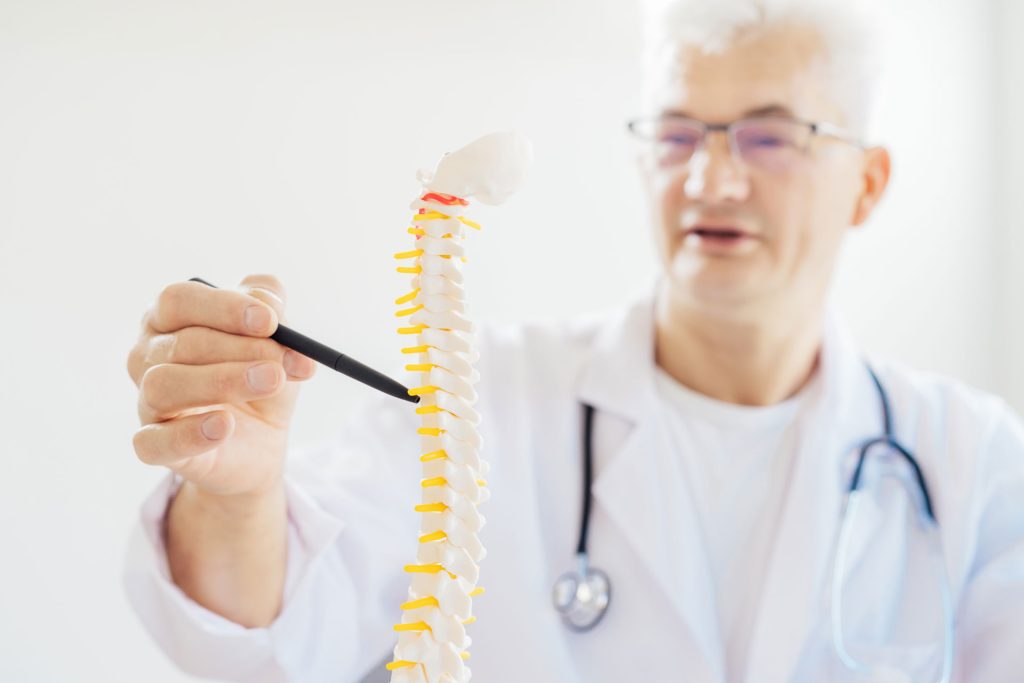
Before committing to a permanent spinal cord stimulator, patients typically undergo a trial phase. This short-term test allows both the doctor and the individual to see whether the therapy offers meaningful pain relief.
How it works:
- Temporary leads (thin wires) are inserted into the space around the spinal cord.
- The leads are connected to an external stimulator worn outside the body.
- The device is programmed to target the patient’s specific pain areas.
- The trial usually lasts about 5–7 days.
During this time, people can go about their usual daily activities while keeping a record of how their pain changes. If the trial shows at least a 50% reduction in pain — and the person is comfortable with the sensations — they may be considered a good candidate for full implantation.
The trial period is one of the most patient-friendly aspects of spinal cord stimulation because it removes uncertainty. Rather than committing to surgery without knowing if it will help, individuals can “test drive” the therapy and make an informed choice about moving forward.
Related: Stem Cell Injections for Pain Relief: Hope or Hype?
The implantation procedure and recovery
If the trial is successful, the next step is permanent implantation. This is typically done as an outpatient procedure under local anesthesia with sedation or, in some cases, general anesthesia. The surgeon first places the leads in the same location as during the trial, but with more secure placement. Then, a small incision is made — usually in the lower back or buttock area — to create a pocket under the skin for the pulse generator.
The leads are connected to this generator, and the device is programmed to deliver the desired stimulation patterns. The whole process usually takes one to two hours.
Recovery is generally quick, with most people resuming light activities within a few days and more normal routines within a few weeks. Some temporary soreness at the incision sites is expected. The medical team will provide detailed instructions on activity restrictions, wound care, and device management.
Follow-up visits are important to fine-tune the device’s settings and ensure the stimulation is targeting the right areas. Over time, adjustments can be made as pain patterns change or new programming options become available.
Related: How Occipital Nerve Blocks Treat Migraine and Headache Pain
Benefits and limitations of spinal cord stimulation
Like any therapy, spinal cord stimulation has both advantages and drawbacks.
Benefits:
- Offers significant pain relief for many people who haven’t found success with other treatments.
- Adjustable settings allow for personalized therapy.
- Non-destructive — doesn’t permanently alter the spinal cord or nerves.
- Reversible — the device can be removed if needed.
- Can reduce the need for pain medications, including opioids.
Limitations:
- Doesn’t cure the underlying cause of pain.
- Not effective for all types of pain.
- Requires a surgical procedure for implantation.
- Device maintenance, such as recharging or battery replacement, is necessary.
For many, the benefits outweigh the limitations, particularly when pain is significantly reduced and daily life becomes more manageable. However, realistic expectations are key — SCS is about improving quality of life, not eliminating pain entirely.
Potential risks and side effects
While spinal cord stimulation is generally considered safe, it’s still a medical procedure with possible risks. Surgical risks include infection, bleeding, or lead movement (migration), which can reduce effectiveness. Device-related issues may include hardware failure or discomfort at the implant site.
Some people experience changes in stimulation sensation over time, which may require reprogramming. In rare cases, nerve damage can occur, but this is uncommon when the procedure is performed by experienced specialists.
Another consideration is that not everyone responds to the therapy. Even after a successful trial, long-term effectiveness can vary, and some individuals may eventually require adjustments or removal of the device.
Most side effects can be managed through follow-up care and open communication with the healthcare team. Choosing a qualified medical provider and following post-surgery guidelines greatly reduces the likelihood of complications. For many, the potential benefits in pain relief outweigh the relatively low risk of serious problems, making spinal cord stimulation a worthwhile option to explore.
If you’re interested in learning more about spinal cord stimulation and whether it’s right for you, contact Legacy Integrative Pain Institute in Houston, Texas. Our team includes highly skilled specialists, including a Chinese-speaking pain management doctor, who can help you explore your options and find the best path toward relief.