
Recovering from a sports injury can be frustrating, especially when pain slows down your progress and limits your mobility. Whether you’re a competitive athlete, weekend warrior, or someone who enjoys an active lifestyle, dealing with injury-related discomfort is more than just a nuisance—it can delay your return to full strength.
This is where targeted pain relief becomes essential. By focusing on the specific source of discomfort, you can accelerate healing, improve your performance, and restore your confidence in movement. In this guide, we’ll explore how to effectively manage pain after a sports injury and get back on track with proven, practical strategies.
The Importance of Early Pain Management After a Sports Injury
When you suffer a sports injury, your body immediately responds with inflammation, swelling, and pain—natural processes that signal tissue damage and start the healing cycle. However, unmanaged pain can cause more harm than good. Without prompt relief, pain can lead to muscle guarding, reduced mobility, and even compensation injuries in other areas of the body.
That’s why early pain relief is critical. The sooner you control pain, the easier it becomes to maintain range of motion, prevent stiffness, and reduce healing time. Delaying treatment often results in chronic issues that are more difficult to resolve. Strategies such as rest, ice, compression, and elevation (RICE) should be implemented immediately after injury. These approaches minimize swelling and pain while preventing further damage.
Additionally, early pain control allows for earlier introduction of rehab exercises. This can prevent muscle atrophy and ensure you regain full function faster. Always consult a healthcare professional to guide the timing and intensity of early interventions, especially for more severe injuries. In the end, managing pain from the start ensures your body heals more efficiently—and safely.
Related: What is Lumbar Epidural Steroid Injection and Is It Right for You?
Understanding the Different Types of Pain Relief Options
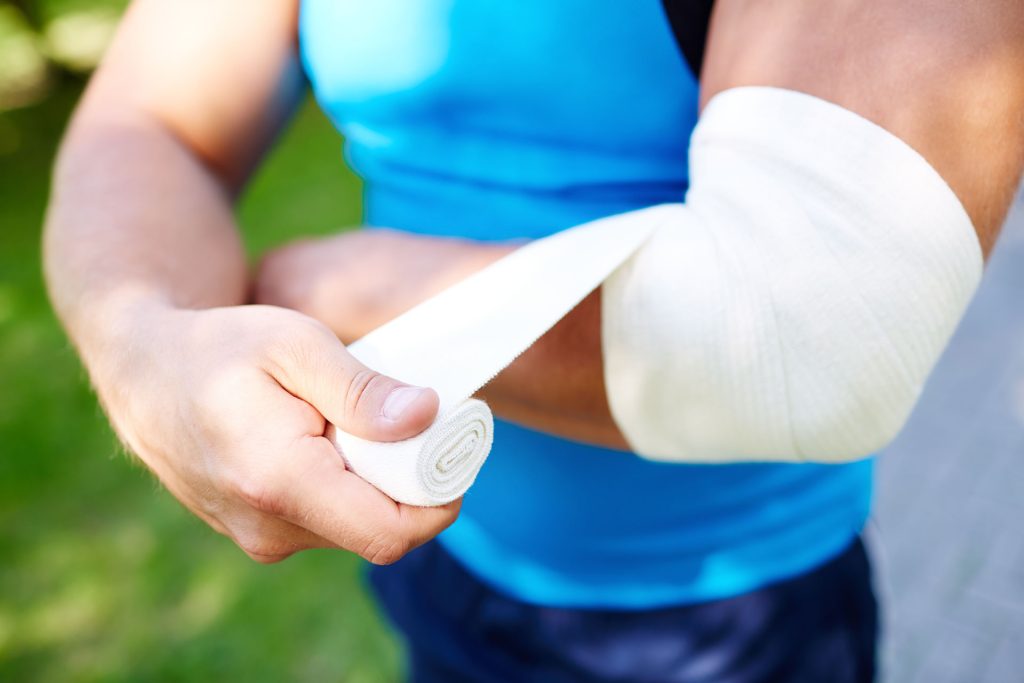
Pain relief isn’t one-size-fits-all. There are several methods available, and choosing the right one depends on the type, location, and severity of your injury. The most common options include pharmacological treatments, physical therapies, and alternative modalities.
Over-the-counter medications like acetaminophen and NSAIDs (nonsteroidal anti-inflammatory drugs) are effective for reducing inflammation and managing mild to moderate pain. For more severe cases, a doctor may prescribe stronger medications such as muscle relaxants or short-term opioids, although these are used cautiously due to potential side effects.
Non-drug options also play a crucial role. These include electrical stimulation, ultrasound therapy, massage, and acupuncture. These techniques help interrupt pain signals and stimulate healing without the side effects associated with medication.
Choosing the right combination of treatments often yields the best results. For instance, physical therapy combined with targeted medication can provide more comprehensive pain relief than either alone. It’s essential to work closely with your healthcare provider to develop a personalized pain management plan that addresses your specific needs and goals.
Related: Restore Balance Naturally with Traditional Chinese Medicine at Legacy
How Physical Therapy Promotes Long-Term Pain Relief
Physical therapy isn’t just about regaining strength—it’s one of the most effective tools for long-term pain relief after a sports injury. By targeting the injured area with specific exercises and manual techniques, physical therapists can reduce inflammation, restore mobility, and prevent future re-injury.
One of the key benefits of physical therapy is its ability to address the root cause of pain, rather than just masking symptoms. Therapists assess your movement patterns, muscle imbalances, and joint function to create a customized rehabilitation plan. This not only eases current pain but also strengthens surrounding tissues, making the injured area more resilient.
Additionally, therapy introduces progressive loading—gradually increasing resistance and complexity of movement. This helps your tissues adapt to stress in a controlled way, avoiding flare-ups or setbacks. Many people notice a significant reduction in pain even within the first few sessions.
Over time, physical therapy reinforces correct biomechanics and posture, reducing strain on healing tissues. Combined with other pain relief methods, it’s a cornerstone of any recovery plan that aims to restore strength, functionality, and confidence after injury.
Related: Overcoming Migraines Naturally with Traditional Chinese Medicine
Pain Relief Techniques You Can Use at Home
Managing pain doesn’t always require a clinic visit. Many simple and effective techniques can be done at home to support healing and comfort.
Here are some go-to methods for home-based pain relief:
- Cold Therapy (Ice Packs): Apply within the first 48 hours of injury to reduce swelling and numb sharp pain.
- Heat Therapy: Use after the acute phase to relax muscles and improve circulation.
- Self-Massage or Foam Rolling: Gentle pressure can ease muscle tightness and improve mobility.
- Stretching and Mobility Exercises: Light movement can prevent stiffness and maintain range of motion.
- Topical Creams and Gels: These provide localized relief without systemic effects.
- Mindfulness and Breathing Techniques: Relaxation can help reduce the perception of pain, especially in chronic cases.
Consistency is key. Incorporating these tools into your daily routine can significantly reduce pain levels and support your overall recovery. Just be cautious not to push through pain—listen to your body and adjust accordingly.
Avoiding Common Mistakes That Delay Recovery
After a sports injury, it’s tempting to jump back into activity too soon, especially when the pain starts to fade. However, this is one of the most common mistakes that can delay recovery or even worsen your condition. Pain relief may mask symptoms, but that doesn’t mean the injury has fully healed.
Another mistake is relying solely on medication without addressing the underlying causes of pain. Painkillers can offer temporary relief, but if you don’t strengthen the affected area or restore proper movement, the problem is likely to return.
Skipping follow-up care, like physical therapy, is also a major setback. Rehab helps recondition your body and ensures long-term healing. Neglecting this step often leads to recurring injuries.
Finally, ignoring early signs of strain or discomfort can cause a minor issue to escalate into a more serious injury. Always pay attention to what your body is telling you. Proper rest, gradual progression, and professional guidance are crucial to a successful recovery process.
When and How to Use Ice, Heat, and Compression
Knowing when to use ice, heat, or compression is essential for effective pain relief. Each method has a specific role depending on the stage and type of injury.
Here’s a simple breakdown to guide your decision:
- Ice Therapy (Cryotherapy): Best for acute injuries. Use in the first 24–72 hours to reduce inflammation and numb pain. Apply for 15–20 minutes every 2–3 hours.
- Heat Therapy: Useful after swelling has subsided. Helps loosen tight muscles and improves blood flow. Ideal for chronic pain or stiffness.
- Compression: Helps control swelling and support injured areas. Elastic wraps or compression sleeves work well during the first few days post-injury and can also be used during activity to prevent further damage.
Avoid applying ice or heat directly to the skin—use a barrier to prevent burns or frostbite. Understanding how and when to apply these techniques can significantly reduce discomfort and promote faster healing. When in doubt, consult a healthcare provider for guidance tailored to your condition.
If you’re dealing with lingering pain from a sports injury, Legacy Integrative Pain Institute in Houston, Texas offers expert, personalized care to help you heal and thrive. From targeted pain relief to guided rehabilitation, we’re here to support every step of your journey. Contact us today and start moving pain-free again.