

If you’re dealing with persistent joint pain, swelling, or stiffness, you may have heard about different types of injections that can relieve your symptoms. Among the most common options are bursa injections and joint injections. Although they may seem similar, these treatments serve different purposes depending on the exact cause and location of your discomfort.
In this blog, we’ll break down the difference between bursa injections and joint injections, how each one works, and which treatment might be right for your condition. Whether you’re managing bursitis, arthritis, or other inflammation-related pain, understanding the role of the bursa in your body is essential to making the right treatment decision. Let’s explore the key differences so you can move forward with confidence in your care.
What is a bursa and why does it become inflamed?
A bursa is a small, fluid-filled sac that acts as a cushion between bones, tendons, muscles, and skin. These sacs help reduce friction and allow smooth, pain-free movement in joints such as the shoulder, hip, knee, and elbow. The body contains over 150 bursae, all playing a role in supporting mobility and reducing mechanical stress.
Bursae can become inflamed due to overuse, trauma, infection, or underlying conditions like gout or rheumatoid arthritis. This inflammation is known as bursitis, and it can cause localized pain, swelling, tenderness, and restricted motion in the affected area. Simple activities like walking, reaching, or kneeling may become uncomfortable or painful.
One common cause of bursa inflammation is repetitive motion, especially in athletes, manual laborers, or individuals who place frequent pressure on certain joints. For example, frequent kneeling can lead to prepatellar bursitis (in the knee), while throwing motions can trigger subacromial bursitis (in the shoulder).
Understanding what a bursa is and why it becomes inflamed is the first step in identifying whether a bursa injection or a different treatment might help relieve your symptoms.
Related: How Cervical and Lumbar Epidural Steroid Injections Relieve Spinal Pain
Understanding bursitis: causes, symptoms, and diagnosis
Bursitis is a condition that occurs when a bursa becomes irritated or inflamed, often leading to pain, limited movement, and swelling. It typically affects areas that undergo frequent repetitive movements or prolonged pressure, such as the shoulders, hips, elbows, and knees.
There are several causes of bursitis. Repetitive motions from work or exercise, direct trauma to the joint, poor posture, and certain health conditions like diabetes or arthritis can all increase the risk. In some cases, infection (septic bursitis) may be the culprit, requiring urgent medical care.
Symptoms of bursitis usually include aching or stiffness in the joint, swelling, redness, and pain that worsens with movement or pressure. These symptoms can be mistaken for other joint issues, so accurate diagnosis is important. Doctors may use a combination of physical examination, medical history, and imaging techniques like ultrasound or MRI to confirm bursitis.
Recognizing bursitis early can prevent it from becoming chronic. When conservative treatments like rest, ice, and anti-inflammatories don’t provide relief, a bursa injection may be recommended to reduce inflammation and restore mobility.
Related: Understanding Facet Joint Pain and How We Treat It
What is a bursa injection and how does it work?
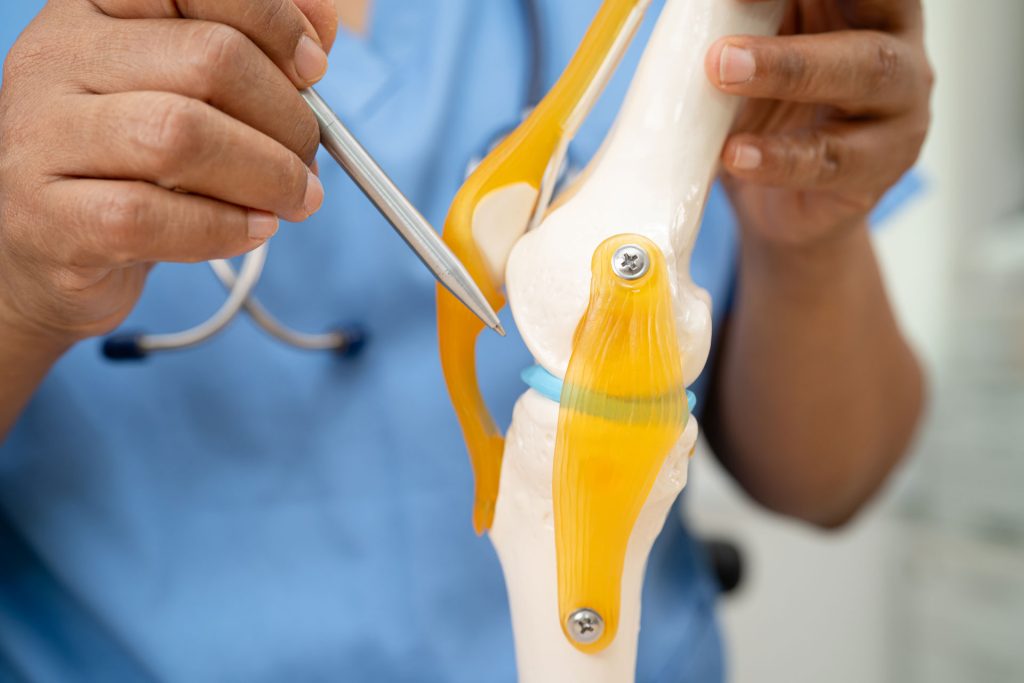
A bursa injection is a minimally invasive procedure used to reduce inflammation and pain in an inflamed bursa. It typically involves the injection of corticosteroids, sometimes combined with a local anesthetic, directly into the affected bursa. This treatment is particularly useful when bursitis doesn’t respond to conservative therapies like rest or medication.
Here’s what to expect from a typical bursa injection:
- Procedure: The skin over the bursa is cleaned, and a thin needle is used to inject medication into the inflamed area.
- Medication: A corticosteroid is used to reduce inflammation, and an anesthetic may be added for immediate pain relief.
- Time: The procedure usually takes less than 15 minutes and is often done in a clinic or outpatient setting.
- Relief Timeline: Some patients experience relief within a few hours, while others may take a few days to notice improvement.
- Duration of Effect: The benefits can last from several weeks to a few months, depending on the severity of the condition and individual response.
Bursa injections are generally safe, but repeated use should be monitored by a physician. They are often part of a larger treatment plan that may include physical therapy or activity modification.
Related: Kyphoplasty and Vertebroplasty: Minimally Invasive Solutions for Spine Fractures
Joint injections explained: types and uses
Joint injections are another form of non-surgical treatment used to relieve pain, reduce inflammation, and improve function in affected joints. Unlike bursa injections, which target the fluid-filled sacs around the joint, joint injections are delivered directly into the joint space itself—most commonly the knee, shoulder, or hip.
These injections are often used for conditions such as osteoarthritis, rheumatoid arthritis, and joint injuries. They may also help with joint pain caused by degeneration or overuse. The primary substances used in joint injections include corticosteroids, hyaluronic acid (a lubricant-like substance), and in some cases, platelet-rich plasma (PRP).
The goal of a joint injection is to reduce inflammation inside the joint, improve range of motion, and relieve pain. Patients often report improved mobility and a better quality of life after receiving an injection, especially when paired with physical therapy or lifestyle adjustments.
The decision to use a joint injection often depends on the severity of the condition, response to previous treatments, and the patient’s overall health. While generally safe, joint injections are usually spaced out to prevent damage to the joint cartilage over time.
Understanding this option is important when comparing it to a bursa injection, especially if you’re unsure which treatment your symptoms require.
Related: Understanding Peripheral Nerve Blocks and Their Role in Pain Management
Bursa vs. joint injections: key differences and similarities
Though both procedures are designed to reduce pain and inflammation, bursa injections and joint injections have distinct differences that affect how and when they are used. Understanding these differences is key to receiving the right treatment.
Key Differences:
- Target Area:
- Bursa injections target the bursa (fluid-filled sac).
- Joint injections are delivered directly into the joint space.
- Bursa injections target the bursa (fluid-filled sac).
- Common Uses:
- Bursa injections treat bursitis.
- Joint injections treat arthritis and joint degeneration.
- Bursa injections treat bursitis.
- Injection Site:
- Bursa injections are often more superficial.
- Joint injections may require imaging guidance (like ultrasound) for accuracy.
- Bursa injections are often more superficial.
Similarities:
- Both use corticosteroids to reduce inflammation.
- Both may provide short- to medium-term pain relief.
- Both are performed in an outpatient setting.
- Both may be repeated if needed, under medical supervision.
Choosing between a bursa injection or a joint injection depends on the source of pain. Accurate diagnosis from a healthcare provider is essential for effective treatment.
How doctors decide between a bursa or joint injection
Doctors use several criteria to determine whether a bursa injection or a joint injection is appropriate. It starts with a detailed clinical evaluation, where the physician reviews your symptoms, medical history, and physical exam findings. Pinpointing the exact source of pain—whether it’s from the bursa or the joint itself—is crucial.
If the pain is located on the outside of the joint and is accompanied by localized swelling or tenderness, bursitis is often suspected. In contrast, deep, aching pain within the joint, especially with stiffness or grinding, may point to joint degeneration or arthritis. Imaging studies such as X-rays, ultrasound, or MRI may be used to support the diagnosis and rule out other issues.
The severity of your symptoms, how long they’ve lasted, and how you’ve responded to conservative treatments like rest or NSAIDs will also influence the decision. If bursitis is confirmed and conservative measures haven’t worked, a bursa injection may be the next step. However, if joint inflammation or damage is the primary issue, a joint injection could be more effective.
Ultimately, your doctor’s decision is guided by the specific anatomy involved, your overall health, and your long-term treatment goals. Understanding your condition and the role of the bursa can help you have a more informed conversation with your healthcare provider.
If you’re experiencing joint or bursa-related pain and aren’t sure which treatment is right for you, the team at Legacy Integrative Pain Institute is here to help. Located in Houston, Texas, we offer personalized care tailored to your unique needs — including both bursa injections and joint therapies. We also proudly offer services in Mandarin for patients seeking a Chinese-speaking pain management doctor.
Contact Legacy Integrative Pain Institute today to schedule your consultation and take the first step toward pain-free living.