

Living with spinal pain can be debilitating, affecting your ability to move, work, or even sleep comfortably. For those searching for non-surgical options to manage pain caused by conditions such as herniated discs, spinal stenosis, or nerve inflammation, cervical and lumbar epidural steroid injections are increasingly considered effective solutions. These injections are designed to target the inflammation and pressure on spinal nerves, which are often the root causes of spinal pain.
Cervical injections target the neck and upper spine, while lumbar injections focus on the lower back. Both approaches aim to reduce inflammation and swelling around the spinal nerves, providing relief from chronic pain and improving mobility. Whether you’re experiencing neck pain that radiates into your arms or lower back pain that travels down your legs, understanding how epidural steroid injections work can help you make more informed choices about your care.
In this post, we’ll explore what epidural steroid injections are, how they work, and why they’re commonly used to treat spinal pain. We’ll also cover what to expect before, during, and after the procedure, and who is most likely to benefit from this treatment option.
What Are Epidural Steroid Injections?
Epidural steroid injections are a common, minimally invasive treatment designed to reduce inflammation and alleviate pain in the spine. These injections involve administering a combination of corticosteroids and a local anesthetic into the epidural space, which is the area surrounding the spinal cord and nerve roots. By delivering medication directly to the site of inflammation, epidural injections help decrease swelling and pressure on the affected nerves, which are often responsible for radiating pain into the arms or legs.
The procedure is guided by imaging techniques such as fluoroscopy (live X-ray) to ensure the medication is precisely placed. This targeted delivery makes it a valuable option for individuals dealing with persistent spinal pain, especially when other conservative treatments like physical therapy or oral medications haven’t provided sufficient relief.
Epidural steroid injections are not a cure, but they can significantly reduce pain and inflammation, helping patients regain mobility and participate in rehabilitation programs. They are typically part of a broader treatment plan aimed at managing chronic spinal pain and improving quality of life.
Related: Understanding Facet Joint Pain and How We Treat It
The Difference Between Cervical and Lumbar Injections
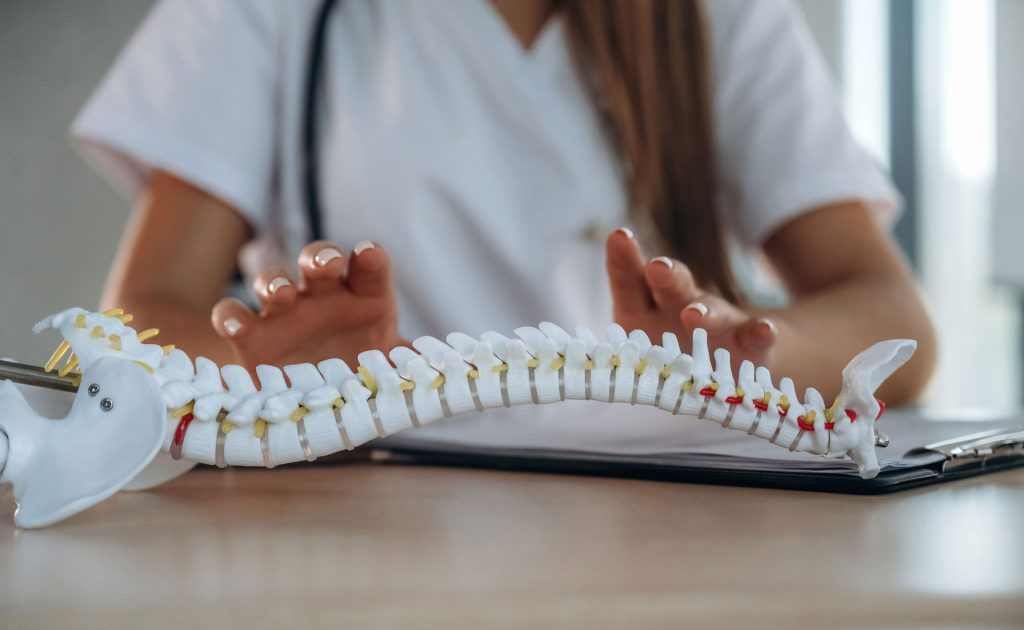
Cervical and lumbar epidural steroid injections both aim to treat spinal pain, but they target different areas of the spine depending on the source of discomfort. Cervical injections are administered in the neck region, which is the cervical spine. These are commonly used to treat pain that radiates from the neck into the shoulders or arms, often due to conditions like cervical radiculopathy or herniated cervical discs.
On the other hand, lumbar injections are delivered to the lower back, or lumbar spine. This type of injection is more frequently used for patients with lower back pain that may extend into the hips, buttocks, or legs—a common symptom of sciatica, lumbar disc herniation, or spinal stenosis.
While the technique for both procedures is similar, including the use of fluoroscopic guidance for accurate needle placement, the anatomical differences between the cervical and lumbar spine influence how the injections are administered. Cervical injections typically require more precision and care due to the proximity of the spinal cord, whereas the lumbar area offers a slightly wider margin for safe administration.
Understanding this distinction helps patients better comprehend why their doctor may recommend one type over the other, depending on where their spinal pain originates.
Related: Kyphoplasty and Vertebroplasty: Minimally Invasive Solutions for Spine Fractures
Conditions That Cause Spinal Pain and How Injections Help
Spinal pain often results from nerve irritation or inflammation caused by various structural or degenerative conditions. Common causes include herniated discs, where disc material presses on nearby nerves; spinal stenosis, a narrowing of the spinal canal; degenerative disc disease, where discs lose cushioning over time; and spondylolisthesis, a condition where one vertebra slips over another.
These conditions can lead to nerve compression, which causes not only localized back or neck pain but also radiating pain, numbness, or tingling in the limbs. The pain can become chronic and severely impact daily functioning if not properly managed.
Epidural steroid injections help by reducing inflammation in the affected area. The corticosteroid medication works by suppressing the immune system’s inflammatory response, which decreases swelling and alleviates nerve irritation. In turn, this relieves pain and improves mobility. The local anesthetic included in the injection provides short-term pain relief while the steroid takes effect.
For many patients, these injections serve as a crucial part of a broader treatment plan, offering relief that enables them to participate in physical therapy and delay or avoid surgical intervention.
Related: Understanding Peripheral Nerve Blocks and Their Role in Pain Management
The Procedure: What to Expect During an Epidural Injection
Before receiving an epidural steroid injection, patients usually undergo imaging studies like MRI or CT scans to identify the exact source of spinal pain. On the day of the procedure, the patient is positioned either lying on their side or stomach, depending on the location of the injection. The skin is sterilized and numbed with a local anesthetic.
Under fluoroscopy, a needle is carefully inserted into the epidural space. Once in position, a contrast dye is injected to confirm accuracy. Then, the corticosteroid and anesthetic mixture is administered. The entire procedure typically takes 15 to 30 minutes.
Most patients experience minimal discomfort during the procedure, and sedation is rarely necessary. Afterward, patients are monitored briefly before being allowed to go home. Some may feel immediate relief from the anesthetic, while the steroid may take a few days to show full effect.
It’s common to resume normal activities the next day, although heavy lifting or strenuous activity should be avoided for 24–48 hours. Side effects are usually mild and temporary, including soreness at the injection site or mild headaches. This minimally invasive treatment offers a safe and effective way to manage spinal pain without the need for surgery.
Related: Why Sacroiliac Joint Steroid Injection is a Game-Changer for Pain Relief
Potential Benefits and Risks of Epidural Steroid Injections
Epidural steroid injections can provide significant relief for those suffering from spinal pain, but as with any medical procedure, they come with potential risks. It’s important to understand both sides before deciding if this treatment is right for you.
Benefits:
- Pain relief: Reduces inflammation and pressure on spinal nerves.
- Non-surgical option: Helps avoid or delay the need for spinal surgery.
- Improved function: Enables greater mobility and participation in physical therapy.
- Targeted treatment: Delivers medication precisely to the problem area.
- Quick procedure: Usually completed in under 30 minutes with minimal recovery time.
Risks:
- Temporary discomfort: Soreness at the injection site or increased pain for a day or two.
- Infection or bleeding: Though rare, these can occur if the injection site is not properly sterilized.
- Nerve damage: Extremely rare but possible with improper needle placement.
- Hormonal effects: Prolonged or repeated use of steroids may affect hormone levels.
- Limited long-term relief: Some patients may require multiple injections over time.
Discussing your medical history and current condition with your healthcare provider is essential to minimize risks and determine whether epidural injections are appropriate for your spinal pain.
Who Is a Good Candidate for Epidural Steroid Injections?
Epidural steroid injections are not suitable for everyone, but they can be an effective treatment option for specific individuals. Here are some of the key factors that make someone a good candidate:
Ideal candidates typically include:
- Patients with spinal nerve inflammation: Especially those with confirmed conditions like herniated discs or spinal stenosis.
- Individuals experiencing radiating pain: Such as sciatica or neck pain extending into the arms.
- Those who haven’t found relief from conservative care: Including physical therapy, rest, and oral medications.
- Patients who want to avoid or delay surgery: Especially when pain significantly affects quality of life.
- People in good general health: Without active infections, bleeding disorders, or uncontrolled diabetes.
Not ideal for:
- Individuals with systemic infections or skin infections near the injection site.
- Patients with bleeding problems or those on blood-thinning medications.
- People with known allergies to corticosteroids or contrast dye.
A thorough evaluation by a spine specialist or pain management doctor is essential to determine if you’re a suitable candidate. Understanding your diagnosis and overall health will guide the decision-making process and help ensure safe, effective treatment for spinal pain.
If you’re struggling with spinal pain and want to explore non-surgical treatment options that work, the team at Legacy Integrative Pain Institute is here to help. Conveniently located in Houston, Texas, we specialize in advanced pain management techniques, including cervical and lumbar epidural steroid injections tailored to your specific needs.
Looking for a Chinese-speaking pain management doctor? We proudly offer multilingual care to ensure clear communication and comfort throughout your treatment journey.
Contact Legacy Integrative Pain Institute today to schedule your consultation and start your path toward lasting relief.