

Chronic headaches and migraines can be life-disrupting, impacting everything from work productivity to quality of life. For those who have tried over-the-counter medications or even prescription treatments without relief, the search for effective pain management can feel overwhelming. One promising solution that’s gaining traction in both neurology and pain management circles is occipital nerve blocks.
Occipital nerve blocks are minimally invasive injections that target the occipital nerves located at the back of the head. These nerves play a significant role in transmitting pain signals from the scalp and head. By interrupting those signals, this procedure can provide substantial relief for people suffering from migraines and other forms of headache pain.
In this blog, we’ll break down how occipital nerve blocks work, what to expect from the procedure, and why this treatment may be a viable option if you’re struggling with ongoing head pain. Whether you’re just beginning to explore medical options or are looking for alternatives after exhausting others, understanding occipital nerve blocks could be a key step toward finding lasting relief.
What Are Occipital Nerve Blocks?
Occipital nerve blocks are a type of injection therapy aimed at reducing headache and migraine pain by targeting the occipital nerves—two nerves located at the base of the skull. These nerves carry sensory information from the scalp to the brain and are often involved in various types of head pain. The procedure involves injecting a combination of a local anesthetic and sometimes a corticosteroid around these nerves to temporarily disrupt their ability to send pain signals.
The procedure is typically done in a medical office and takes only a few minutes. While it might sound intimidating, it is minimally invasive and generally well tolerated. The goal is not to numb the entire head but to “turn down” the sensitivity of the occipital nerves, thereby reducing the intensity and frequency of headaches or migraines.
Occipital nerve blocks are especially helpful for people who suffer from occipital neuralgia or chronic migraines that don’t respond well to other treatments. They are not considered a cure but can offer temporary relief that significantly improves day-to-day functioning and quality of life. This makes them an appealing option for individuals seeking an alternative to daily medications or more invasive procedures.
Related: Joint Pain Relief Without Surgery: The Power of Targeted Injections
How Occipital Nerve Blocks Work to Relieve Headache Pain
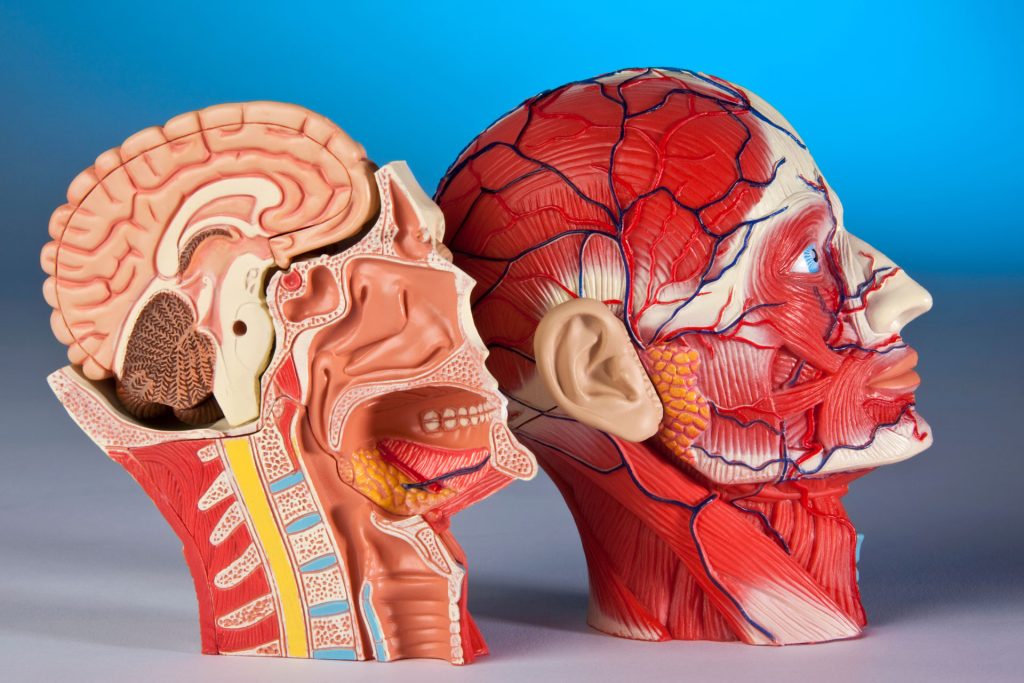
The effectiveness of occipital nerve blocks lies in their ability to interfere with pain signals before they reach the brain. When the occipital nerves become inflamed or overly sensitive—whether due to injury, muscle tension, or a chronic condition like migraines—they can send persistent pain signals that manifest as severe headaches. By injecting a local anesthetic near these nerves, the block essentially shuts down their ability to transmit those pain signals temporarily.
Corticosteroids may also be included in the injection to reduce any underlying inflammation that might be contributing to nerve sensitivity. This two-pronged approach not only provides immediate relief through numbing but may also offer longer-term benefits by addressing the root cause of nerve irritation.
This treatment is not just about short-term pain relief. For some patients, especially those with recurring headaches or migraines, occipital nerve blocks can actually help “reset” pain pathways. This can lead to a reduced frequency of attacks over time. While not universally effective for every patient, this method can be a game-changer for those who have tried other forms of treatment without success.
Related: Is Interventional Pain Management Safe? What Patients Need to Know
Types of Headaches Treated by Occipital Nerve Blocks
Occipital nerve blocks are particularly effective for a few specific types of headaches. One of the primary conditions they are used to treat is occipital neuralgia, a neurological disorder characterized by piercing, throbbing, or electric-shock-like pain in the upper neck, back of the head, and behind the ears. This condition directly involves the occipital nerves, making it an ideal target for this form of treatment.
Chronic migraines are another condition commonly treated with occipital nerve blocks. These patients typically experience headaches for more than 15 days a month, with many days showing features of migraine. When oral medications or other therapies fail, occipital nerve blocks can offer an effective alternative.
Tension-type headaches and cluster headaches may also respond to this treatment, though the success rates can vary. In some cases, patients dealing with post-traumatic headaches—such as those following a head injury—also benefit from occipital nerve blocks, especially if the occipital region is involved.
Not every headache type will respond to this treatment, so it’s essential for a healthcare provider to conduct a thorough diagnosis before recommending this procedure. Still, for many patients, this targeted approach offers a welcome break from constant pain and opens the door to a more manageable daily routine.
Related: Are Spinal Injections Right for Your Lower Back Pain? A Patient Guide
What to Expect During and After the Procedure
If you’re considering an occipital nerve block, knowing what to expect can ease any anxiety you may have. The procedure is relatively quick and performed on an outpatient basis.
Here’s what typically happens:
- Preparation: You’ll be asked to sit or lie down, and the area at the back of your head will be cleaned.
- Injection: A small needle is used to inject the anesthetic (and sometimes a steroid) around the occipital nerves.
- Duration: The actual injection takes just a few minutes.
- Sensation: You may feel a pinching or burning sensation during the injection, followed by numbness in the area.
- Recovery: Most people can resume normal activities shortly after, though it’s advised to rest for the day.
After the procedure:
- Relief can be immediate or take a few days to kick in.
- The numbness might last a few hours.
- Some mild soreness or bruising at the injection site is common.
- Your doctor may schedule a follow-up to assess results and discuss next steps.
This straightforward process makes occipital nerve blocks a convenient option for many headache sufferers, especially those who need fast relief without the downtime of more invasive procedures.
Related: Peripheral vs. Sympathetic Nerve Blocks: What’s the Difference?
Benefits and Potential Risks of Occipital Nerve Blocks
Occipital nerve blocks offer several advantages, but like all medical treatments, they come with potential risks.
Benefits:
- Rapid relief from headache or migraine pain.
- Minimally invasive with little to no downtime.
- Reduced frequency of future headaches in some cases.
- Helps diagnose the source of headache pain.
- Alternative to medication for patients sensitive to drugs.
Potential Risks:
- Temporary pain or soreness at the injection site.
- Dizziness or lightheadedness shortly after the procedure.
- Infection or bleeding, though very rare.
- Allergic reaction to the anesthetic or steroid used.
- Temporary numbness or tingling in the surrounding area.
While side effects are uncommon and generally mild, it’s important to discuss any concerns with your healthcare provider. Understanding both the benefits and risks can help you make an informed decision about whether occipital nerve blocks are right for you.
How Long Do the Effects of Occipital Nerve Blocks Last?
One of the most frequently asked questions about occipital nerve blocks is how long the relief lasts. The answer varies from person to person, depending on the severity of their condition and how their body responds to the injection. For many, the effects can last anywhere from a few days to several months.
The anesthetic typically provides immediate relief, which may wear off after a few hours. However, if a corticosteroid is included in the injection, the anti-inflammatory effects can extend pain relief for weeks or even months. Some patients experience prolonged periods without headaches, while others may need repeat injections to maintain the same level of relief.
The treatment is often used as part of a broader pain management plan. If the initial block is successful, your doctor might recommend a series of injections over time. The goal is to reduce the intensity and frequency of headaches enough to restore a better quality of life without making patients dependent on constant interventions.
In cases where the results are short-lived or minimal, it may prompt further investigation into other underlying causes or alternative treatments. Overall, while not permanent, the temporary relief provided by occipital nerve blocks can be a critical part of managing chronic head pain effectively.
If you’re struggling with chronic migraines or debilitating headaches, occipital nerve blocks may be the solution you’ve been searching for. At Legacy Integrative Pain Institute in Houston, Texas, our expert team is dedicated to providing personalized, evidence-based care tailored to your needs. We also proudly offer services from a Chinese-speaking pain management doctor to better serve our diverse community.
Don’t let pain control your life—contact Legacy Integrative Pain Institute today to schedule your consultation and find out if occipital nerve blocks are right for you.