
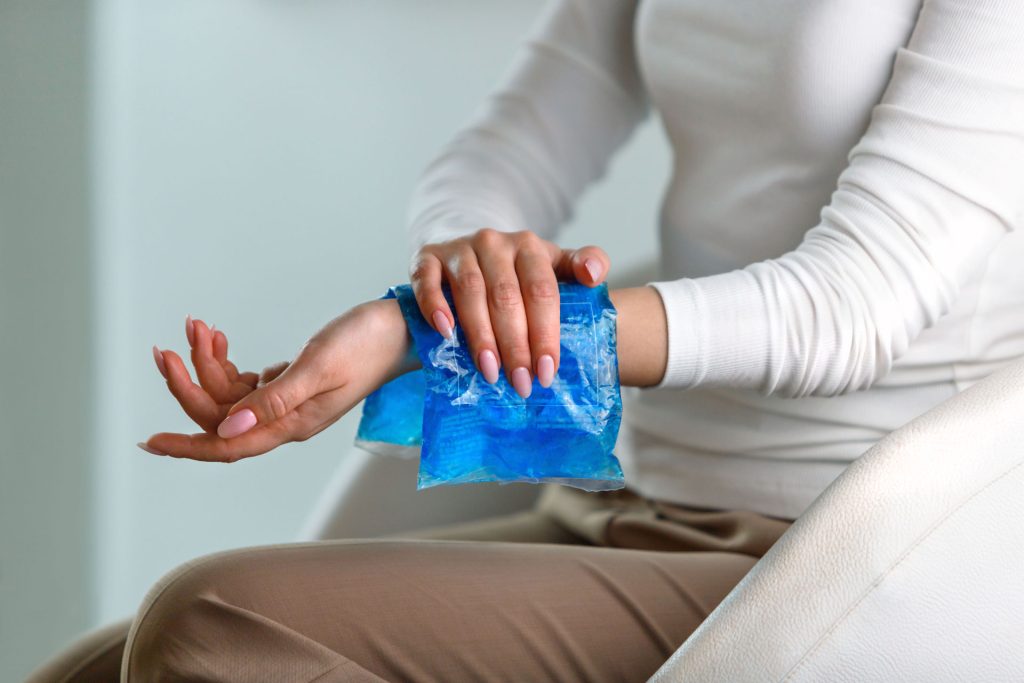
When it comes to managing pain, many people immediately think of prescription medications or surgical procedures. However, there’s a growing shift toward non-invasive methods for pain control—and for good reason. These approaches are often safer, carry fewer side effects, and offer long-term relief without the risks associated with more aggressive treatments.
Whether you’re dealing with chronic back pain, post-injury discomfort, or inflammation from arthritis, non-invasive options provide effective alternatives that support healing and improve quality of life. From physical therapy and acupuncture to lifestyle adjustments and innovative technologies, the landscape of pain control has expanded significantly.
In this blog, we’ll explore why non-invasive methods are becoming a preferred choice and how they can be effectively integrated into a pain management plan. Regardless of your current pain level or condition, understanding these options can empower you to make informed decisions about your health.
The Risks and Limitations of Invasive Pain Treatments
Invasive pain treatments, such as surgeries and prescription medications, can provide rapid relief, but they often come with significant drawbacks. Understanding these risks is essential for anyone considering pain control options.
Surgical procedures, though sometimes necessary, carry inherent risks including infection, blood clots, nerve damage, and extended recovery times. In many cases, surgeries may only provide temporary relief and can lead to complications that worsen a patient’s overall health. Repeated procedures or failed surgeries may even create new sources of chronic pain.
Prescription medications, especially opioids, pose a different set of challenges. While they can effectively mask pain in the short term, they do not address the underlying cause. Prolonged use often leads to tolerance, dependency, and in some cases, addiction. Even non-opioid painkillers can result in gastrointestinal issues, kidney damage, or cardiovascular complications when used long-term.
In addition, both surgical and pharmaceutical approaches tend to focus on symptom suppression rather than holistic healing. This means they often overlook key factors such as muscle imbalances, poor posture, inflammation, or stress—all of which can contribute to ongoing pain.
Because of these limitations, many individuals are now exploring safer, more sustainable options. Non-invasive methods for pain control offer effective alternatives that minimize risk while encouraging the body’s natural recovery processes. For anyone seeking long-term solutions without the adverse effects of invasive treatments, these approaches can be a smart, proactive choice.
Related: A Guide to Hormonal Balance and Fatigue Relief Through TCM
How Non-Invasive Methods Promote Natural Healing
One of the core strengths of non-invasive pain control methods is their ability to support the body’s natural healing capabilities. Rather than relying on synthetic drugs or altering anatomy through surgery, these techniques work with the body to reduce inflammation, restore function, and improve overall well-being.
Techniques like acupuncture, chiropractic care, massage therapy, and guided exercise programs stimulate circulation, ease muscle tension, and encourage proper alignment. This improves oxygen and nutrient delivery to affected areas, which is essential for tissue repair and pain reduction.
Non-invasive therapies also focus on identifying and addressing the root causes of pain. For example, a person suffering from back pain may benefit more from correcting poor posture or strengthening the core muscles than from taking painkillers that simply numb the symptoms. Similarly, stress-related pain can often be alleviated through mindfulness practices, breathing exercises, or cognitive-behavioral therapy.
Importantly, these methods come with minimal side effects. They also foster self-awareness and patient involvement, encouraging individuals to take an active role in their recovery. By promoting better movement patterns, healthier habits, and overall lifestyle changes, non-invasive methods not only alleviate current pain but also prevent it from recurring.
In today’s health landscape, more people are seeking out these gentler, more personalized strategies. Embracing non-invasive pain control allows the body to heal more effectively and reduces dependence on high-risk interventions.
Related: How Trigger Point Therapy Brings Quick Relief to Persistent Pain
Popular Non-Invasive Pain Control Techniques and How They Work
There are numerous non-invasive methods available today, each offering unique benefits depending on the type and source of pain. Here are some of the most widely used techniques:
- Physical therapy: Helps restore strength, flexibility, and movement. Tailored exercise programs target specific muscle groups to correct imbalances and reduce strain.
- Acupuncture: Uses fine needles inserted into specific points on the body to stimulate nerve pathways and promote pain relief through endorphin release.
- Chiropractic care: Focuses on spinal adjustments to realign the musculoskeletal system, reducing pressure on nerves and easing chronic discomfort.
- Massage therapy: Relieves muscle tension, improves circulation, and supports relaxation, which can ease stress-related and musculoskeletal pain.
- TENS (Transcutaneous Electrical Nerve Stimulation): Uses low-voltage electrical impulses to interrupt pain signals and stimulate natural painkillers like endorphins.
- Mindfulness and meditation: Encourage relaxation and emotional regulation, reducing the brain’s perception of pain and supporting mental clarity.
These options can often be combined into a comprehensive plan tailored to individual needs. By using multiple techniques together, patients can experience synergistic effects that enhance healing and long-term pain control without invasive measures.
Related: Integrating Traditional Chinese Medicine in Pain Management
The Role of Physical Therapy in Pain Management
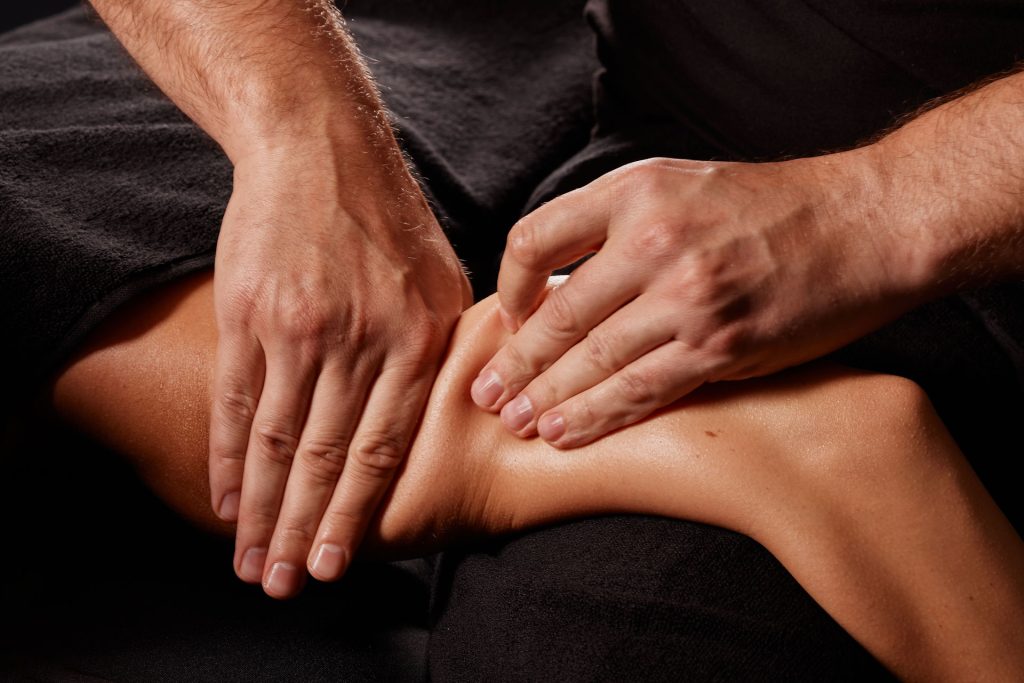
Physical therapy is one of the most effective non-invasive treatments for a wide range of pain conditions. Its approach is rooted in movement science and rehabilitation, aiming to restore function, mobility, and strength without relying on medication or surgery.
Therapists evaluate posture, movement patterns, and muscle imbalances to identify the root cause of pain. From there, they develop personalized exercise routines that improve flexibility, strengthen weak areas, and retrain muscles to move efficiently. For instance, someone with knee pain may undergo exercises to strengthen the quadriceps and glutes, thereby reducing strain on the joint.
Manual therapy, a hands-on technique used by physical therapists, can also help reduce muscle tightness and joint stiffness. In addition, modalities like heat, ice, ultrasound, and electrical stimulation may be used to enhance results and accelerate healing.
Physical therapy not only addresses current pain but also educates patients on prevention. Patients learn how to move better, lift properly, and stretch effectively to avoid future injuries. For chronic pain sufferers, this education can be life-changing, offering a path to independence and improved quality of life.
In terms of pain control, physical therapy stands out as a proactive, sustainable, and individualized option. It promotes long-term wellness by equipping individuals with the tools and knowledge needed to manage their condition confidently and safely.
Lifestyle Changes That Support Long-Term Pain Control
Sustainable pain control often begins with everyday habits. Adopting certain lifestyle changes can significantly reduce pain levels and enhance your overall health. Here are some practical changes that make a real difference:
- Regular exercise: Engaging in low-impact activities like walking, swimming, or yoga strengthens muscles, improves joint function, and boosts circulation.
- Healthy eating: Anti-inflammatory foods—such as leafy greens, fatty fish, and berries—can help reduce pain by supporting the body’s natural healing processes.
- Weight management: Maintaining a healthy weight lessens pressure on joints and reduces strain on the back, knees, and hips.
- Stress reduction: Techniques like deep breathing, meditation, and hobbies can ease the tension that often worsens physical pain.
- Sleep hygiene: Prioritizing quality sleep helps the body repair itself and manage pain more effectively.
Incorporating these changes into your daily routine doesn’t require dramatic shifts. Small, consistent steps can lead to significant improvements in pain levels over time. Non-invasive pain control is most effective when it becomes a lifestyle—one that promotes physical, emotional, and mental well-being.
When to Consider Non-Invasive Methods for Chronic Pain
Chronic pain, by definition, lasts longer than three months and often resists conventional treatments. In such cases, non-invasive methods offer a valuable, often overlooked alternative. If medications or surgeries have failed to provide lasting relief—or if their side effects are becoming unmanageable—exploring less invasive options is a wise next step.
Many individuals with chronic pain experience flare-ups triggered by stress, posture, or repetitive strain. Non-invasive therapies like physical therapy, acupuncture, and mindfulness training address these triggers directly. They not only provide symptom relief but also help patients identify and manage the factors contributing to their discomfort.
Additionally, chronic pain often affects mental health. Feelings of frustration, anxiety, and depression can amplify physical symptoms. Non-invasive techniques that incorporate psychological support—such as cognitive-behavioral therapy or meditation—can help break this cycle by improving emotional resilience.
Choosing non-invasive pain control doesn’t mean giving up on results. It means embracing an approach that treats the whole person, not just the pain. For those seeking long-term relief without the downsides of aggressive interventions, this path offers hope, balance, and a better quality of life.
If you’re looking for effective, non-invasive pain control solutions in Houston, Texas, the Legacy Integrative Pain Institute offers a wide range of personalized treatment options designed to help you heal naturally and live pain-free. Schedule your consultation today and discover how a holistic, patient-focused approach can change your life.